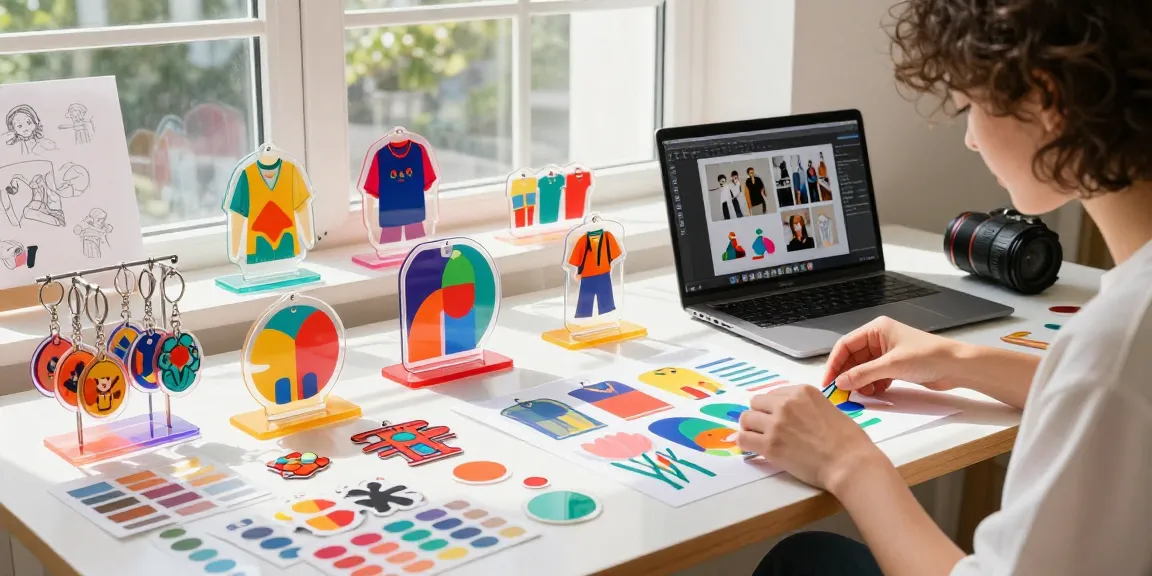
Understanding AI Product Photo Generators
In today's fast-paced e-commerce landscape, high-quality visuals are crucial for capturing consumer attention and driving sales. An AI product photo generator is a revolutionary tool that streamlines the creation of professional-looking product images, making it easier for businesses to showcase their products effectively. These generators leverage advanced algorithms to transform basic photos taken with smartphones into polished, listing-ready images that meet the demands of online marketplaces.
What is an AI product photo generator?
An AI product photo generator is an automated tool that converts user-uploaded photographs into high-quality product images. Utilizing machine learning and computer vision technologies, these generators can analyze the content of the original photo and enhance it according to specific requirements. This process can include background removal, lighting adjustments, and cropping to achieve a professional look that aligns with e-commerce standards.
How AI technology enhances product photography?
AI technology plays a significant role in revolutionizing product photography by automating tasks that typically require professional skills. By optimizing image quality, lighting, and composition, AI tools facilitate the production of visually appealing images without needing extensive photography knowledge. Additionally, these generators can quickly adapt to various styles and formats, ensuring that businesses can meet the diverse needs of multiple platforms.
Key benefits of using AI for product images
- Cost-effectiveness: Reduces the need for hiring professional photographers, thus saving time and money.
- Speed: Generates high-quality images in a matter of minutes, significantly faster than traditional methods.
- Consistency: Ensures all images maintain a uniform style, which is essential for brand recognition.
- User-friendly: Designed for ease of use, even by those with minimal technical skills.
- Customization: Provides options for tailored images that cater to specific marketing needs or brand identities.
Getting Started with AI Product Photo Generators
For businesses looking to leverage the capabilities of an AI product photo generator, understanding how to choose the right tool and optimize usage is vital. With various options available, selecting the best AI generator that suits specific needs can greatly impact the quality of images produced.
How to choose the right AI product photo generator?
Choosing the right AI product photo generator involves several considerations:
- Features: Look for tools that offer essential features such as background removal, customizable templates, and a variety of output formats.
- User reviews: Assess the feedback from other users to gauge the effectiveness and reliability of the generator.
- Trial versions: Opt for tools that provide a free trial or demo to evaluate usability before committing financially.
- Integration capabilities: Ensure that the generator can seamlessly integrate with your existing e-commerce platforms.
Step-by-step guide to uploading product images
The process of using an AI product photo generator typically involves a few straightforward steps:
- Upload your image: Select a clear, well-lit photo of your product taken with your smartphone.
- Set preferences: Indicate any specific requirements, such as desired backgrounds or orientations.
- Create the image: Allow the AI to process your input and generate the finished product photo.
- Download the result: Save the new image for use in your e-commerce listings.
Optimizing your photos for better results
To achieve the best outcomes from AI generators, it's essential to prepare your original photographs properly. Here are some tips:
- Use natural lighting: Natural light helps capture the true colors of products.
- Avoid distractions: Ensure that the product is the focus, with minimal clutter in the background.
- Close-ups: Take detailed shots where the label and features are clearly visible.
- Level the camera: Keep the camera steady and ensure the product is properly framed.
Best Practices for Capturing Quality Photos
Great product images start with effective photography techniques. Understanding best practices can significantly enhance the outcome of AI-generated images and streamline the creation process.
Essential techniques for phone photography
Smartphones have come a long way in terms of camera quality, making them suitable for product photography. Here are some essential techniques:
- Stability: Use a tripod or a stable surface to avoid shaky images.
- Focus: Always ensure the product is in focus before taking the shot.
- Framing: Include the entire product within the frame, leaving no parts cut off.
Lighting tips for optimal product images
Proper lighting can significantly affect the quality of your photographs. Here are some tips to maximize natural light:
- Time of day: Shoot during daytime for the best lighting conditions.
- Soft shadows: Use reflectors to soften shadows created by direct light.
- Consistent lighting: Avoid mixed light sources, such as fluorescent and sunlight, which can distort colors.
Common mistakes to avoid in product photography
Being aware of common pitfalls can help ensure more professional results:
- Cluttered backgrounds: Avoid distractions that can take focus away from the product.
- Overexposure or underexposure: Ensure your images are neither too bright nor too dark to retain details.
- Wrong angles: Capture the product from multiple angles to showcase features effectively.
Real-World Applications of AI Product Photo Generators
AI product photo generators are increasingly being utilized across various sectors in e-commerce. These tools facilitate the rapid deployment of high-quality images, which can enhance sales and customer engagement.
Case studies of successful e-commerce brands
Many leading brands have adopted AI product photo generators to streamline their image production. For instance, a popular cosmetics retailer used an AI generator to create consistent product images for a new line. The result was a 30% increase in online conversion rates, showcasing the effectiveness of quality visuals.
How AI-generated photos improve online sales
Studies show that product images significantly impact purchase decisions. By utilizing AI to enhance quality and presentation, brands can lead to:
- Increased trust: Professional images instill confidence in potential buyers.
- Higher engagement: Eye-catching product photos encourage customers to explore listings more thoroughly.
- Better SEO: Quality images can improve search engine rankings on platforms like Google and Amazon.
Emerging trends in e-commerce photography
As technology continues to advance, several trends are emerging in the realm of e-commerce photography:
- Augmented Reality (AR): Allowing customers to visualize products in their own space enhances the shopping experience.
- 360-degree views: Offering interactive product views can boost customer engagement and reduce return rates.
- Video content: Incorporating short video clips alongside images can provide dynamic product displays.
Future of AI in Product Photography
The future of AI technology in product photography holds exciting potential as innovations continue to reshape how businesses present their products online.
Predictions for AI technology in 2026
As we look towards 2026, several predictions for AI in product photography seem poised to become reality:
- Greater automation: Further developments in machine learning will enable even more sophisticated image enhancements with minimal user input.
- Real-time editing: Tools will soon offer real-time modifications, allowing instant adjustments to lighting and backgrounds while shooting.
- Customized experiences: AI will leverage consumer data to deliver personalized image styles and formats based on viewer preferences.
How will AI reshape the e-commerce landscape?
AI's continued integration will likely lead to more efficient workflows, allowing businesses to focus on strategic growth while automating time-consuming tasks related to product imagery. This shift will democratize access to high-quality product photography for businesses of all sizes.
Exploring potential advancements in AI-generated images
Future advancements may see AI-generated images incorporating emotional and contextual intelligence, thus crafting visuals that resonate more deeply with target audiences. This capability could include adjusting imagery based on user demographics or previous engagement, enhancing both relevance and impact.