Understanding rokok 88: The Art of Sushi
Sushi has transcended its humble origins in Japan to become a globally celebrated culinary art form. Among the myriad of sushi styles and restaurants, the concept of rokok 88 stands out for its unique approach to traditional techniques and innovation. This article delves into what distinguishes rokok 88, the historical context of sushi, the key ingredients that feature in its dishes, and much more that enriches the sushi dining experience.
What Makes rokok 88 Unique?
At the heart of rokok 88's allure is its commitment to authenticity while embracing modern culinary trends. Unlike typical sushi bars, rokok 88 integrates diverse flavors from various cuisines, creating dishes that are not only visually appealing but also packed with taste. This innovative fusion, combined with the traditional art of sushi-making, establishes a dining experience that is both familiar and refreshing. Each dish is a testament to the chef's skill, situating rokok 88 at the intersection of tradition and culinary innovation.
The History of Sushi and Its Evolution
Sushi’s history dates back to the 8th century when fish was fermented with rice as a preservation method. Over the centuries, sushi evolved from this preservation technique into a revered art form, especially in the Edo period of Japan. The introduction of nigiri sushi—hand-formed rice topped with fresh fish—marked a significant shift in how sushi was consumed and appreciated. Today, restaurants like rokok 88 harness this rich heritage while offering contemporary interpretations that cater to modern palates.
Key Ingredients Used in rokok 88 Dishes
The quality of sushi relies heavily on its ingredients. At rokok 88, only the freshest fish, vegetables, and rice are used. Key ingredients include:
- Fish: Sourced directly from sustainable fisheries, options range from tuna and salmon to more exotic choices like eel and sea urchin.
- Rice: Short-grain sushi rice, prepared with precision, forms the backbone of all sushi dishes.
- Vegetables: Seasonal vegetables such as cucumbers, avocados, and daikon are commonly incorporated to add freshness and texture.
- Seaweed: Nori is essential for rolls and adds a deep umami flavor to the dishes.
Preparing rokok 88: Techniques and Traditions
The art of sushi making is not just about the ingredients but also the techniques employed. Understanding the traditional skills required can enhance your appreciation for sushi, whether you're enjoying it at a restaurant or attempting to replicate it at home.
Essential Tools for Sushi Preparation
To prepare sushi like the experts at rokok 88, the right tools are crucial. Essential items include:
- Sushi mat: A bamboo mat for rolling sushi rolls.
- Sharp knife: For cutting fish and rolls cleanly.
- Rice cooker: Ensures perfectly cooked sushi rice.
- Cutting board: A sturdy surface for all preparation work.
Step-by-Step Sushi Rolling Techniques
Sushi rolling might seem daunting at first, but with practice, it becomes easier. Here’s a simple guide:
- Start with a sheet of nori on your bamboo mat.
- Spread a thin layer of sushi rice evenly over the nori, leaving a small border at the top.
- Add your desired fillings, such as avocado or fresh fish.
- Using the mat, carefully lift the edge of the mat closest to you and start rolling away from you, applying gentle pressure.
- Once rolled, use the mat to shape the sushi into a cylinder and cut it into bite-sized pieces.
Common Mistakes to Avoid When Making Sushi
Even the most skilled chefs make mistakes. When making sushi at home, avoid these pitfalls:
- Using the wrong rice; always opt for sushi rice.
- Overstuffing rolls, which can lead to messy results.
- Not using a sharp knife when cutting, resulting in squished sushi.
Health Benefits of rokok 88 Sushi
Beyond its delicious flavors, sushi offers several health benefits that make it a great addition to a balanced diet, particularly in its rokok 88 incarnation.
Nutritional Components of Sushi
Sushi is often praised for its healthy components. Rich in omega-3 fatty acids, fish like salmon and tuna contribute to heart health. Additionally, the vegetables used in sushi rolls enhance the nutritional value with vitamins and fiber.
Understanding Sustainable Seafood Choices
Choosing seafood from sustainable sources is paramount. At rokok 88, there is a strong emphasis on sourcing fish that is certified as sustainable, ensuring that dietary choices positively impact the environment.
Balancing Your Diet with Sushi
Incorporating sushi into your diet can help achieve a balanced nutritional intake. By pairing sushi with additional vegetables or a side salad, you can create a wholesome meal that satisfies your taste buds without excessive calories.
Pairing Drinks with rokok 88 Sushi
Choosing the right beverage can elevate your sushi dining experience. Here’s how to complement the flavors of rokok 88 sushi with the perfect drink pairings.
Best Beverage Pairings for Sushi
Traditional beverage pairings include sake, green tea, and beer. Each of these choices enhances the sushi flavors and offers a complete dining experience. Sake, in particular, complements the umami in sushi beautifully.
The Role of Sake in Sushi Dining
Sake, a rice wine, is often regarded as the quintessential drink for sushi pairing. Its varied flavor profiles can range from fruity to earthy, making it a versatile choice. Understanding the different types of sake, such as Junmai or Ginjo, can significantly enhance your meal.
Creating a Complete Dining Experience
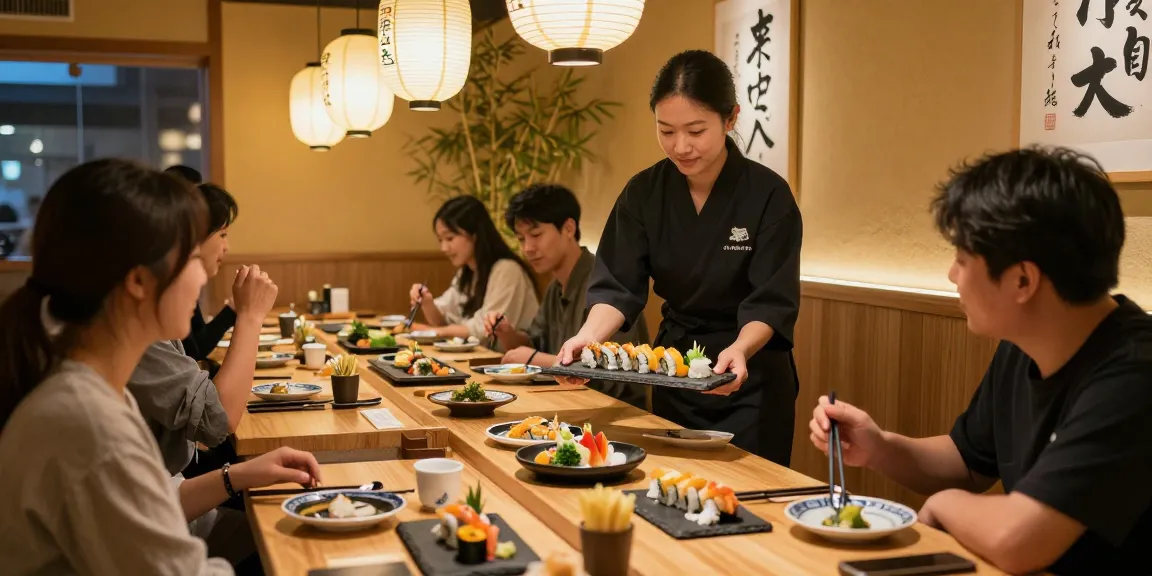
A successful sushi meal is not just about the food. Consider the ambiance, the presentation of dishes, and the choice of drinks to craft a memorable experience that captures the essence of rokok 88.
Future Trends in Sushi Dining by 2026
The world of sushi is ever-evolving, influenced by consumer preferences, sustainability efforts, and technological advancements. Here’s a look into the trends that are likely to shape the industry by 2026.
Innovative Sushi Flavors and Styles
Expect to see more creative fusions and flavor combinations as chefs experiment with global cuisines. The introduction of plant-based sushi options is also gaining traction, catering to vegan and health-conscious consumers.
Technological Advances in Sushi Restaurants
Technology will play a significant role in the evolution of sushi dining. From advanced inventory management systems to the incorporation of AI in menu customization, restaurants like rokok 88 are likely to leverage technology for enhanced service.
Consumer Trends Shaping the Sushi Industry
As diners become more health-conscious and environmentally aware, restaurants will need to adapt. Trends toward local sourcing, transparency about ingredient origins, and healthier menu options will likely dominate the sushi landscape.
What are the main ingredients in rokok 88 sushi?
The main ingredients typically include fresh fish, sushi rice, nori (seaweed), and a variety of vegetables, which together create delightful and visually appealing sushi dishes.
How do I prepare sushi at home?
To prepare sushi at home, gather essential tools like a bamboo mat and a sharp knife, learn the rolling techniques, and ensure you use high-quality ingredients for the best results.
Why is rokok 88 popular among sushi lovers?
rokok 88 is popular among sushi lovers due to its unique flavor combinations, commitment to quality ingredients, and the ability to blend traditional sushi-making techniques with modern culinary trends.
What drinks pair best with sushi?
Traditional pairings include sake, green tea, and light beers, all of which complement the flavors of sushi beautifully.
What are the future trends for sushi dining experiences?
Future trends will likely include increased focus on sustainable practices, innovative flavor pairings, and the use of technology to enhance the dining experience.